LiDAR navigation robot mowers
LiDAR mowers scan the garden with a spinning laser and build a 3D map, so they can position themselves without relying only on satellites — useful under trees and close to buildings.
- Models
- 20
- Brands
- 7
- Lawn area
- up to 5,000 m²
- Max slope
- 42–80%
- Price
- ≈€1,117 – €3,010
- Accuracy
- Centimetre-level, independent of sky view
Brands: MOVA, Sunseeker, ECOVACS, Mammotion, Dreame, Roborock, ANTHBOT · filter in catalog →
About the LiDAR navigation
LiDAR (Light Detection and Ranging) measures distances with laser pulses. A rotating sensor builds a 3D point cloud of the garden, and the mower localises itself against that map in real time.
Because it doesn't rely only on satellites, LiDAR handles the spots where RTK struggles: under tree canopies, along house walls and in narrow side passages. Most LiDAR mowers fuse the laser with cameras for object recognition and with network RTK for open areas.
A typical mower LiDAR captures around 200,000 points per second and sees 30–70 m around the machine. During setup you drive the mower once around the lawn edge with the app; afterwards it recognises its position from the shapes around it — tree trunks, walls, fences, the house — and can mow in straight, overlapping lines.
Where LiDAR is weaker: very large, open lawns with few fixed landmarks, where the laser has little to lock onto, and gardens whose shape changes a lot through the year (for example tall summer borders that disappear in autumn). Many 2026 flagships therefore fuse LiDAR with cameras and, optionally, network RTK.
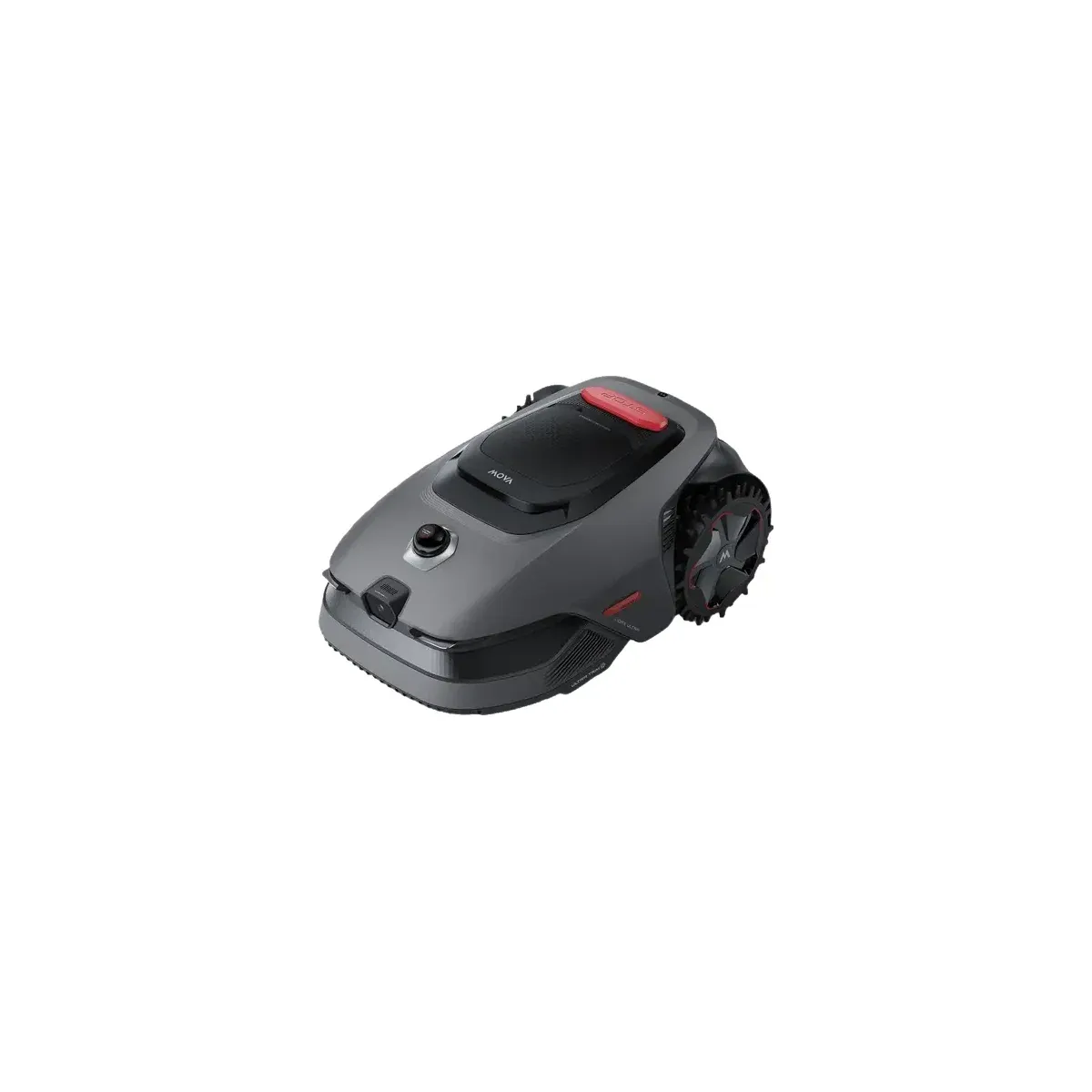
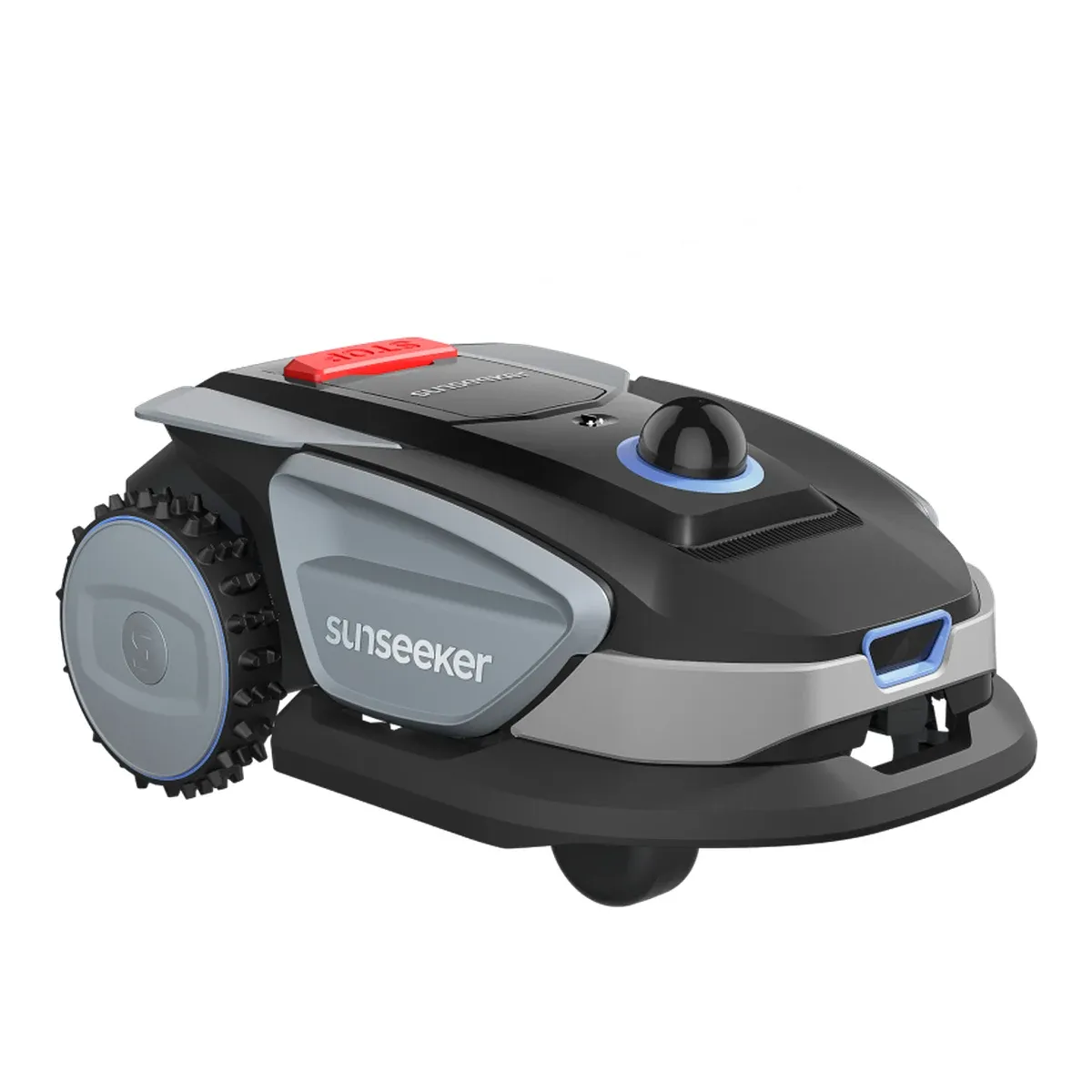
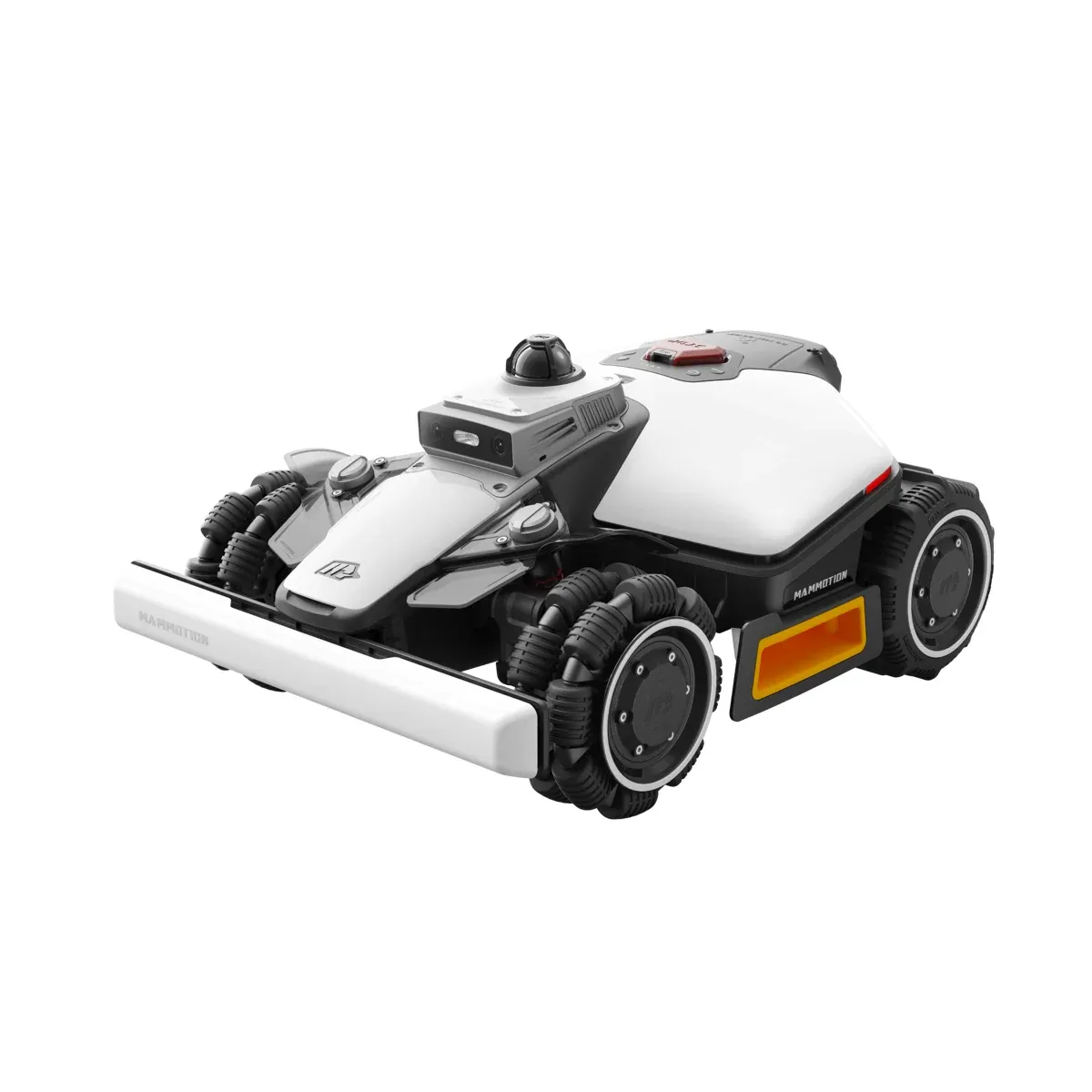
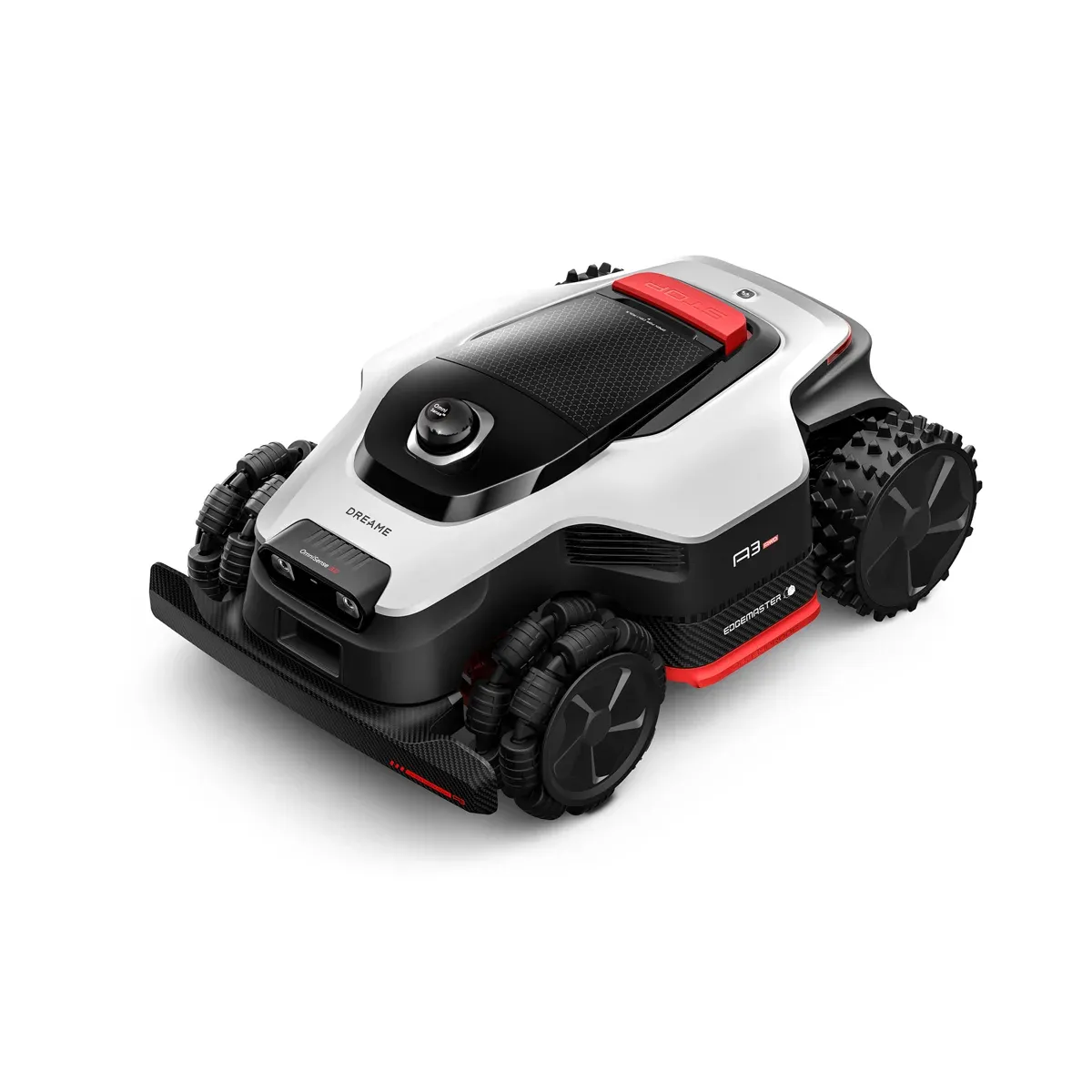
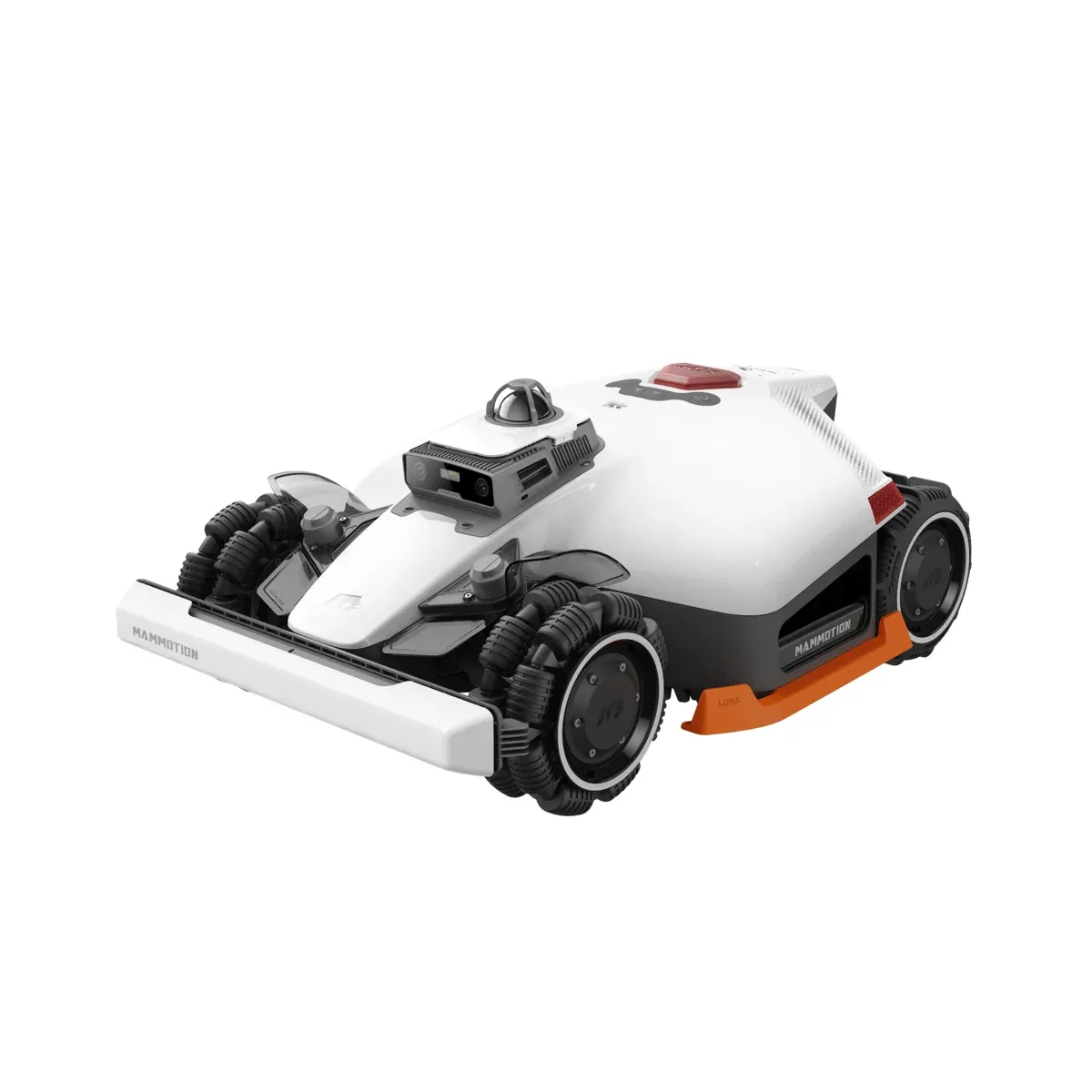
Typical LiDAR mowers in our catalog: Dreame A3 AWD and A3 AWD Pro, MOVA LiDAX Ultra, ECOVACS GOAT LiDAR PRO, Roborock RockMow X120H and Mammotion LUBA 3. Keep the sensor window clean — a film of dust or pollen reduces its range.
LiDAR navigation: how it works
- Setup
- No wire, usually no base station; the mower maps the garden itself (some models also use network RTK).
- Accuracy
- Centimetre-level, independent of sky view
- Best for
- Gardens with trees, buildings and narrow passages
- App & software
- App-based mapping, multiple zones, no-go areas, OTA updates
Strengths and drawbacks
Strengths
- + Works under trees and next to buildings
- + Reliable obstacle detection
- + Quick setup without a reference antenna
Drawbacks
- – Higher price
- – Sensor can be affected by heavy rain or dirt
All LiDAR navigation mowers, by price
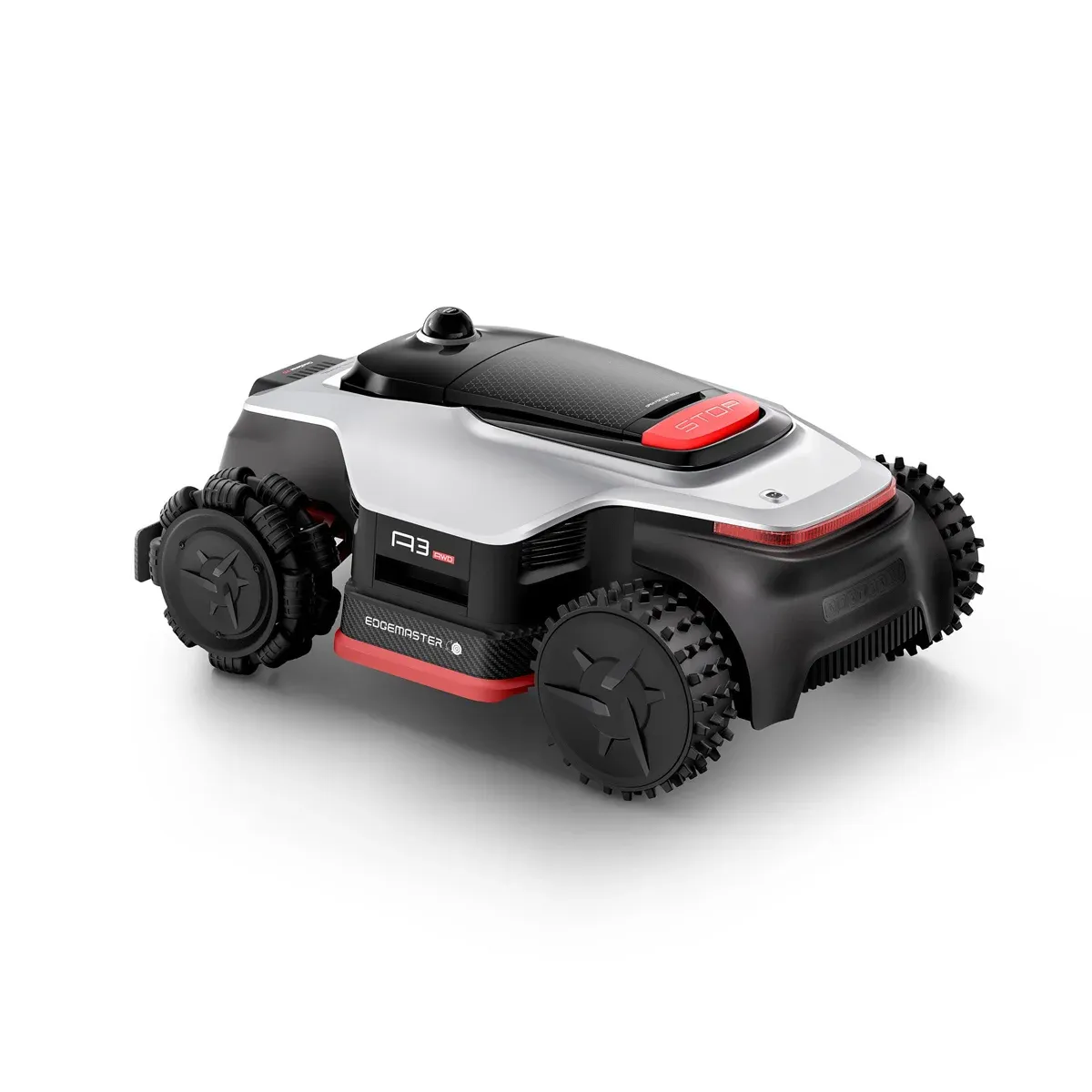
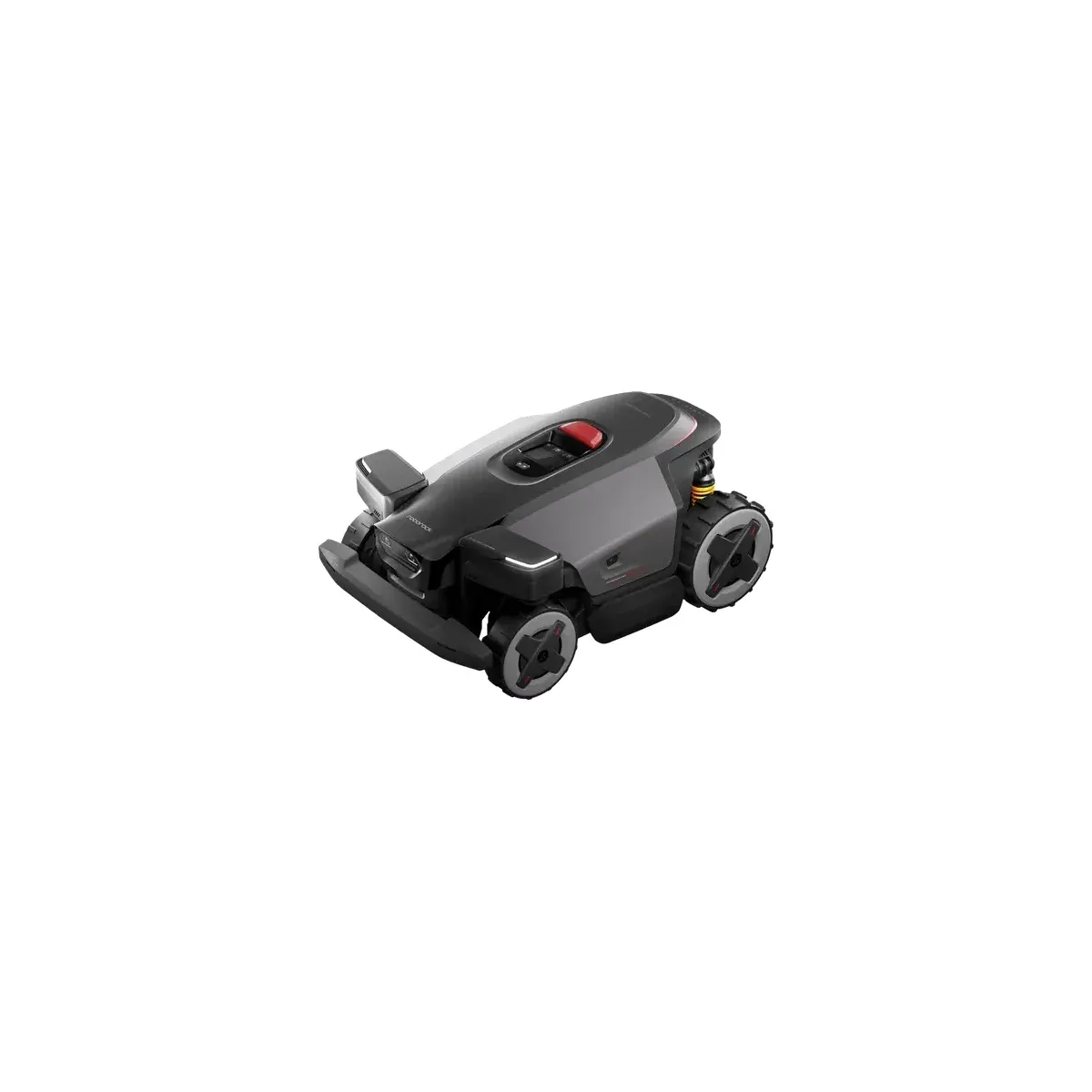
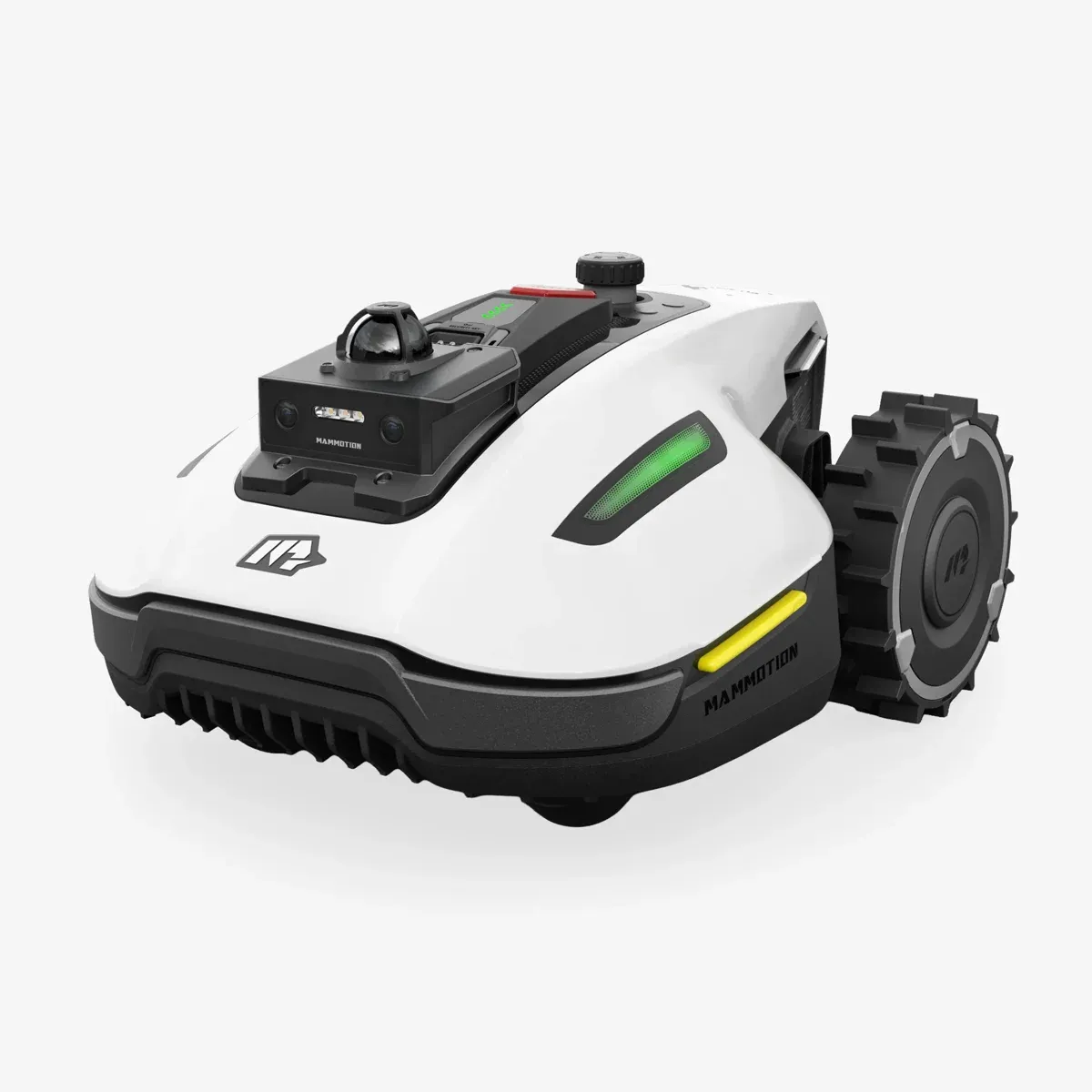
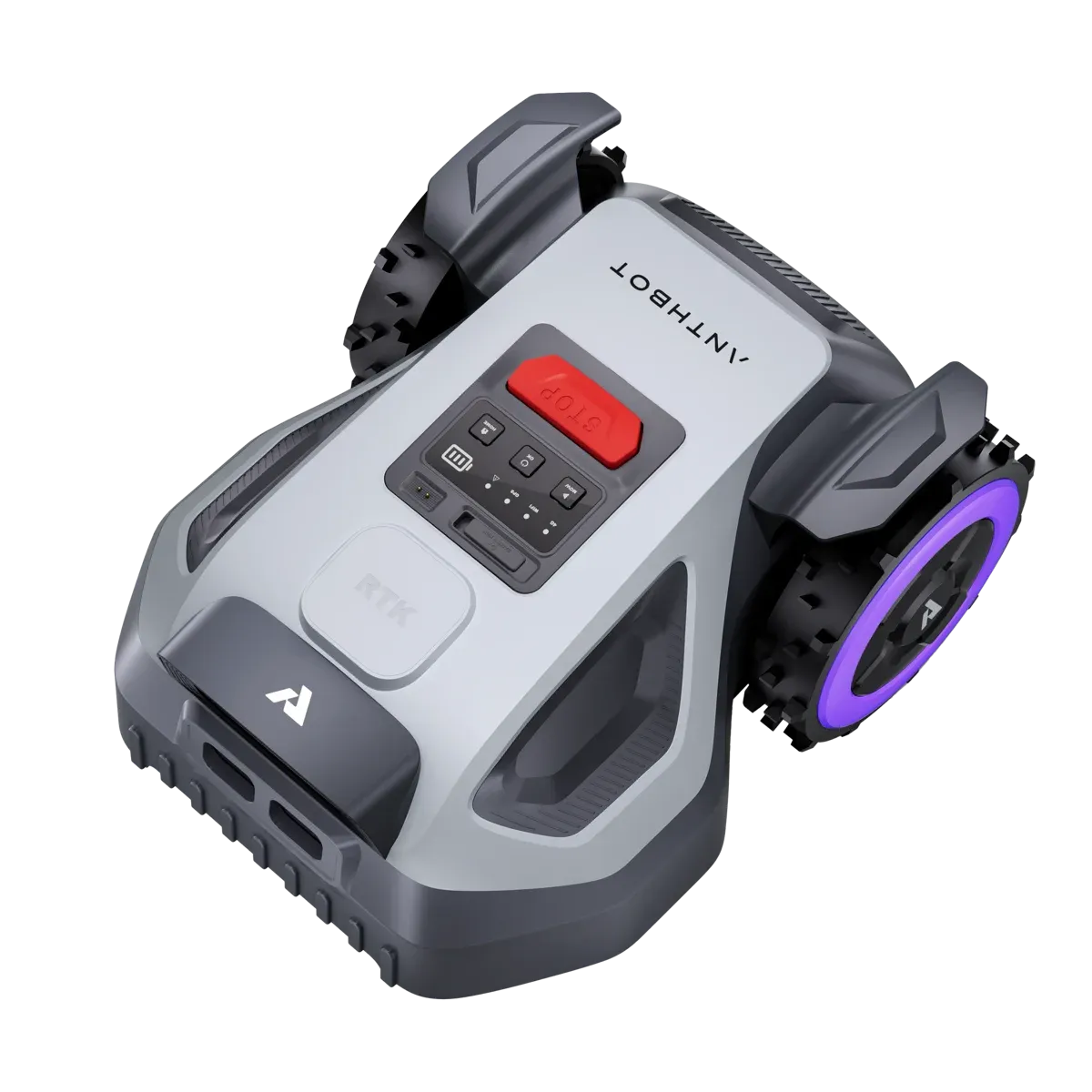
Prices are manufacturer RRPs in the brand’s currency; ≈ figures use approximate exchange rates.
LiDAR navigation: FAQ
Does a LiDAR mower need a base station?
Usually not. Many LiDAR mowers map the garden on their own; some add network RTK over the internet for extra accuracy in open areas.
Does LiDAR work at night?
Yes. LiDAR uses its own laser light, so it doesn't depend on daylight, unlike camera-only navigation.
Is LiDAR better than RTK?
In shaded, built-up gardens, usually yes. On large open lawns with clear sky RTK is equally precise and often cheaper. Hybrid mowers combine both.
Can rain affect a LiDAR mower?
Heavy rain and wet sensor windows can reduce range. Most mowers pause in rain anyway thanks to a rain sensor; wipe the window during regular cleaning.
Which robot mowers use LiDAR navigation?
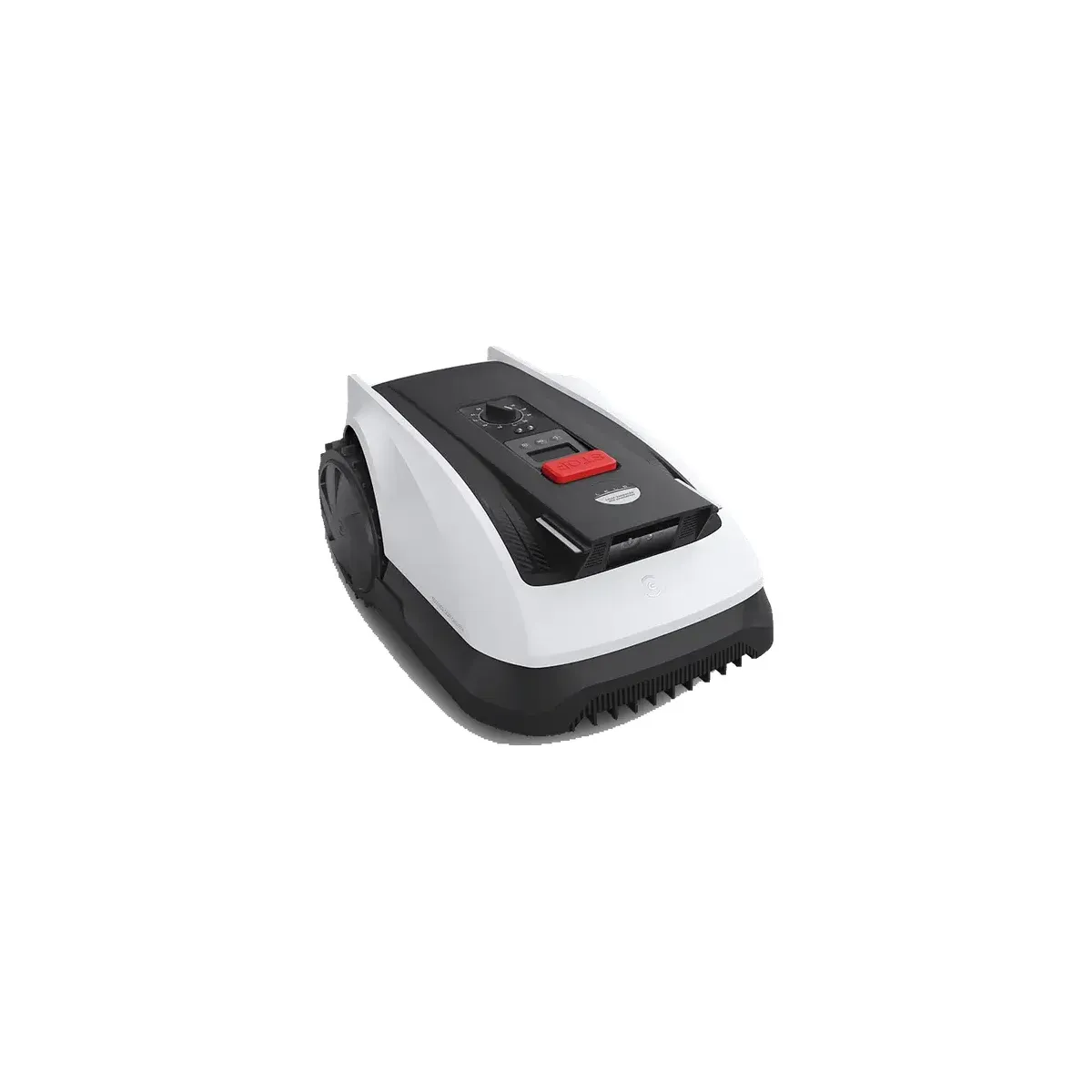
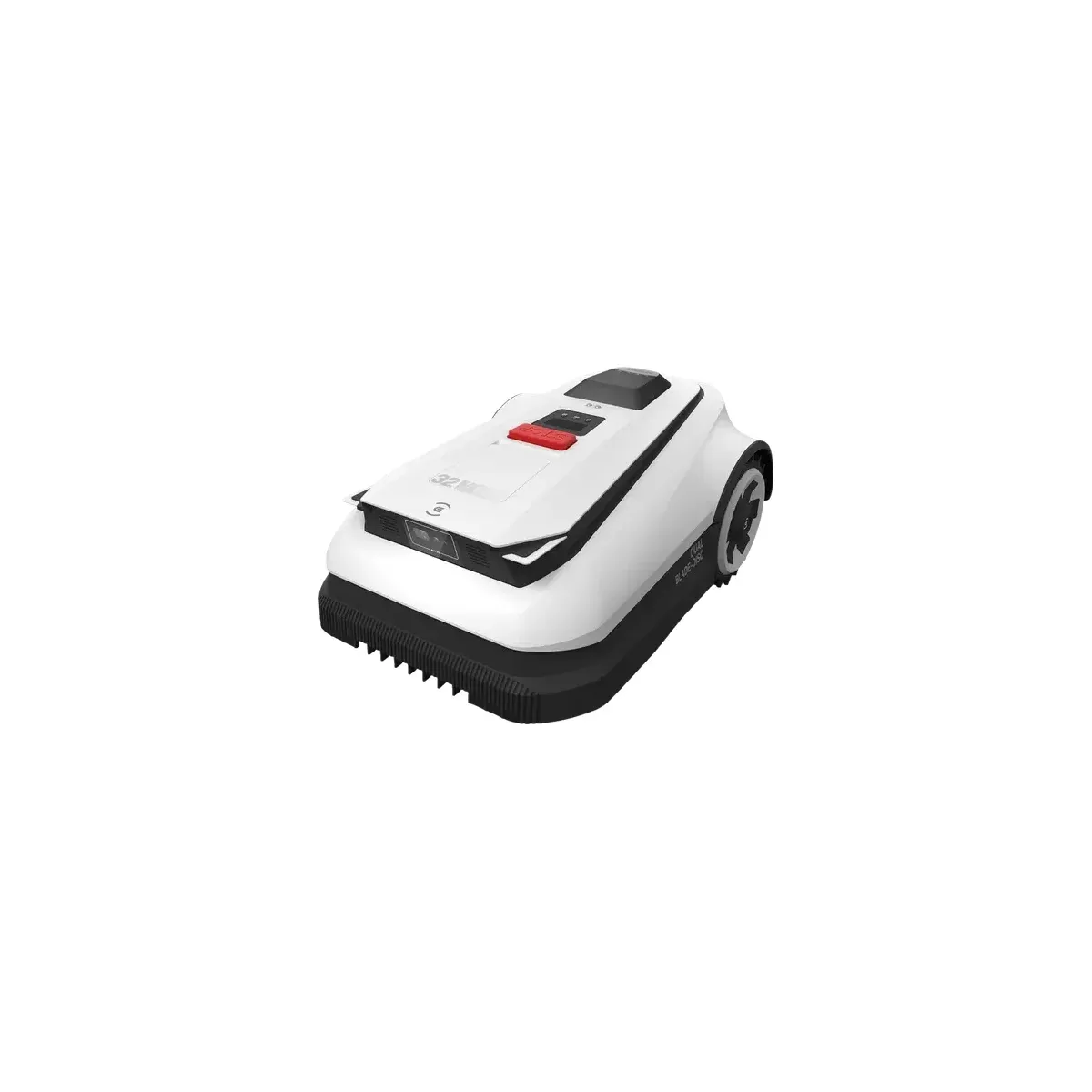
20 models in our catalog from 7 brands: MOVA, Sunseeker, ECOVACS, Mammotion, Dreame, Roborock, ANTHBOT.
What is the cheapest robot mower with LiDAR navigation?
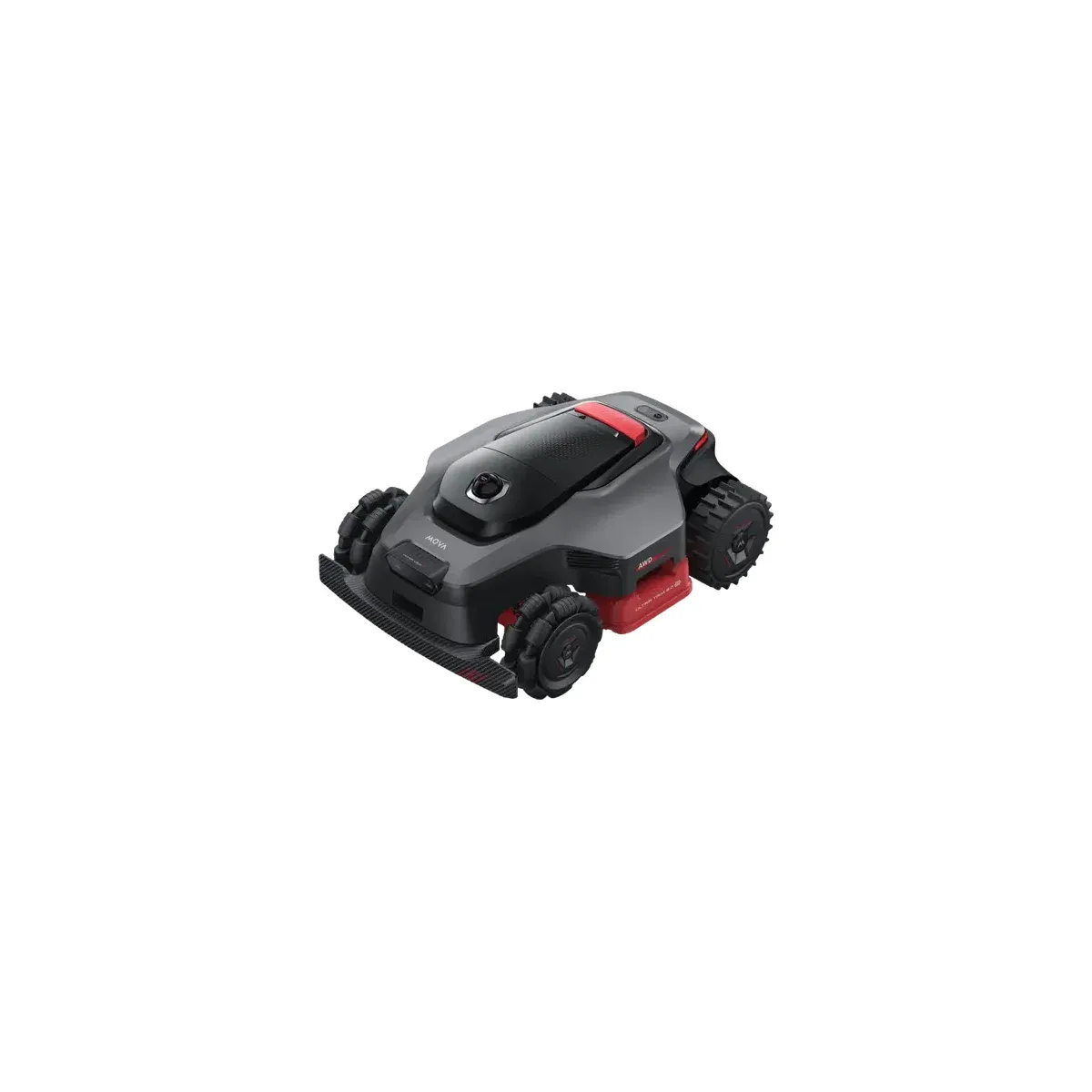
The MOVA LiDAX Ultra 1000 at $1,299 (≈€1,117).
Which LiDAR navigation mower covers the largest lawn?
The Mammotion LUBA 3 AWD 5000, rated for up to 5,000 m².
How steep a slope can LiDAR navigation mowers handle?
From 42% to 80%, depending on the model.